The Runway
JUNE 18TH, 2020
"A defined rectangular area on a land aerodrome prepared for the landing and takeoff of aircraft."
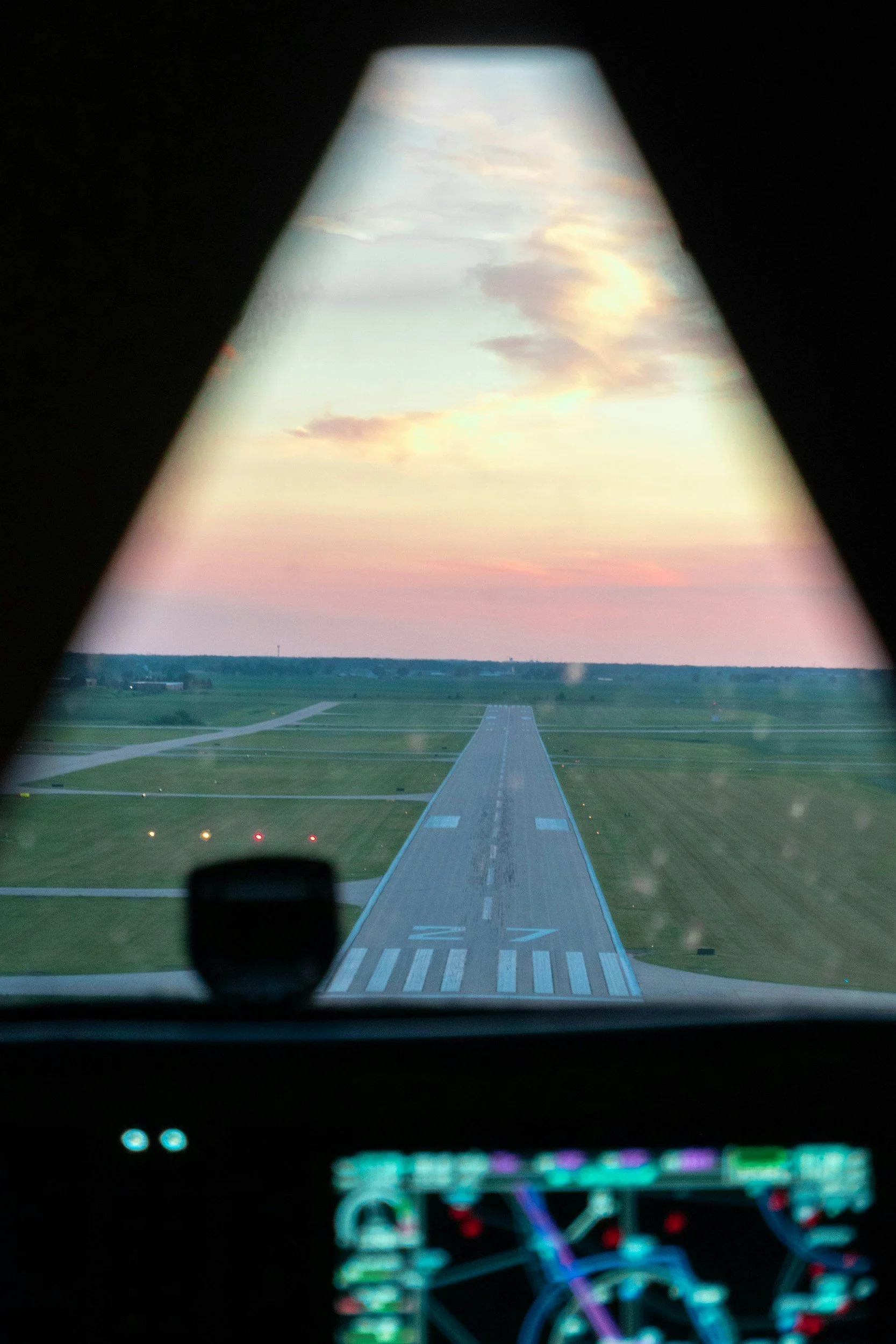
The landing area of a runway is the portion specifically designated and prepared for the aircraft’s touchdown and landing roll. It's a critical section, designed with features to maximise safety, reduce wear on aircraft, and facilitate smooth landings. Here’s an expanded breakdown:
Threshold Markings: At the beginning of the landing area, these indicate the beginning of the landing strip.
Runway Surface: The surface must meet strict standards to ensure durability and safety under various weather and load conditions. Materials are chosen based on the types of aircraft expected to use the runway, with surfaces typically being made of concrete or asphalt, sometimes grooved or textured to improve traction and drainage.
Touchdown Zone: This is the area where pilots are trained to aim for initial ground contact. The touchdown zone is usually marked and is the portion of the runway where landing impact is designed to be absorbed. It provides a stable surface that supports both the touchdown and the initial deceleration of the aircraft.
Runway End Safety Area (RESA): This is an additional safety area beyond the runway's end designed to minimize damage if an aircraft overruns. It isn’t always paved but provides extra clearance in case of an emergency during landing.
Lighting and Instrumentation: For operations at night or in poor visibility, the landing area is equipped with lights (like approach lighting, touchdown zone lights, and centerline lights) to guide pilots. Instrumentation such as an Instrument Landing System (ILS) also helps pilots align with the landing area, particularly in low-visibility conditions.
Runway Slope and Gradient: The landing area is graded to avoid sudden elevation changes, as they can affect landing stability. Small longitudinal slopes are often incorporated to improve visibility and drainage.
Length and Width: These dimensions vary based on the airport’s usage, aircraft type, and regulatory requirements. International airports typically have longer and wider landing areas to accommodate larger aircraft, while smaller airfields have shorter runways.
The landing area must meet strict regulatory standards, including factors like friction, marking visibility, and surface condition, to ensure safe and reliable landings.