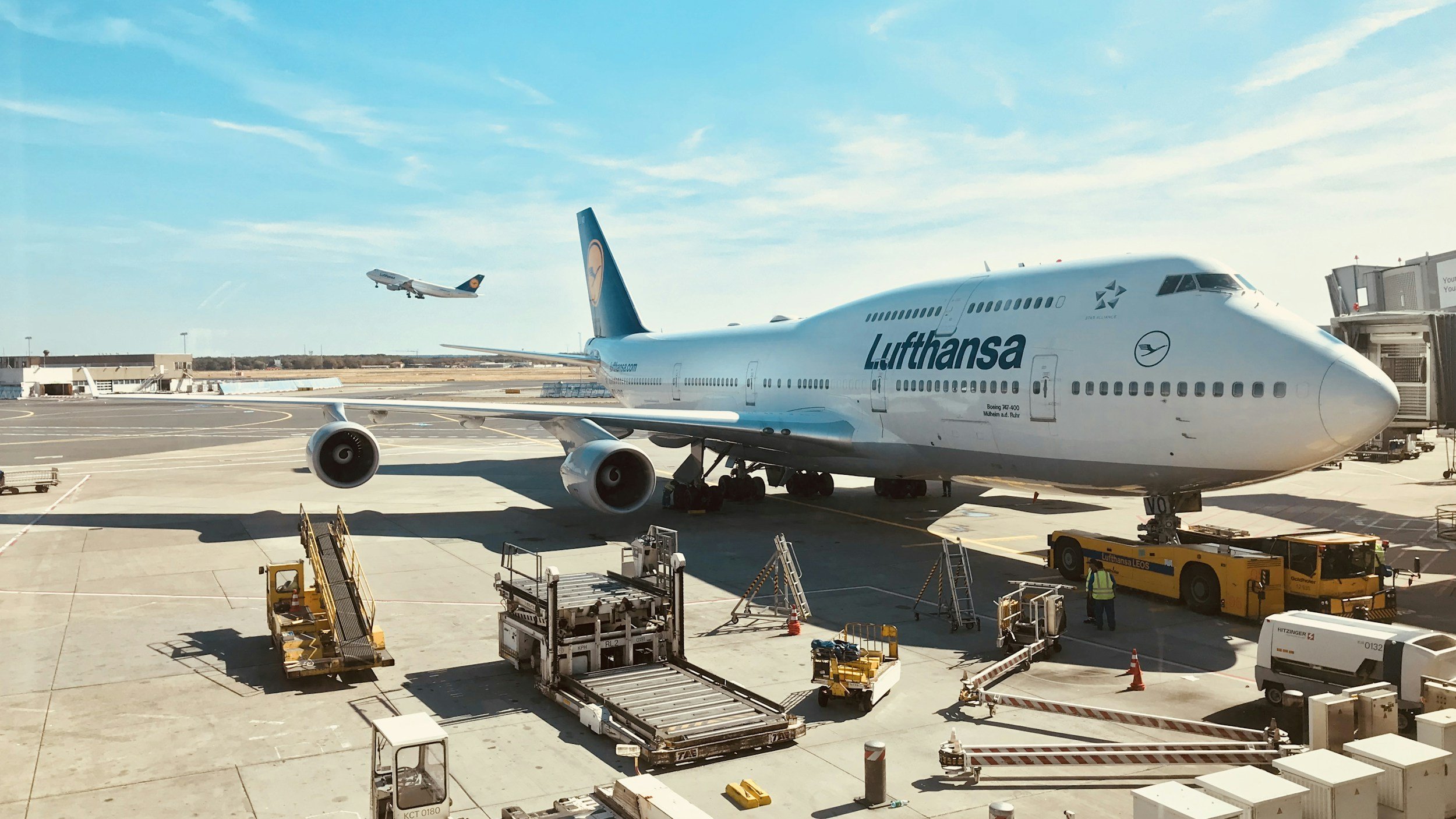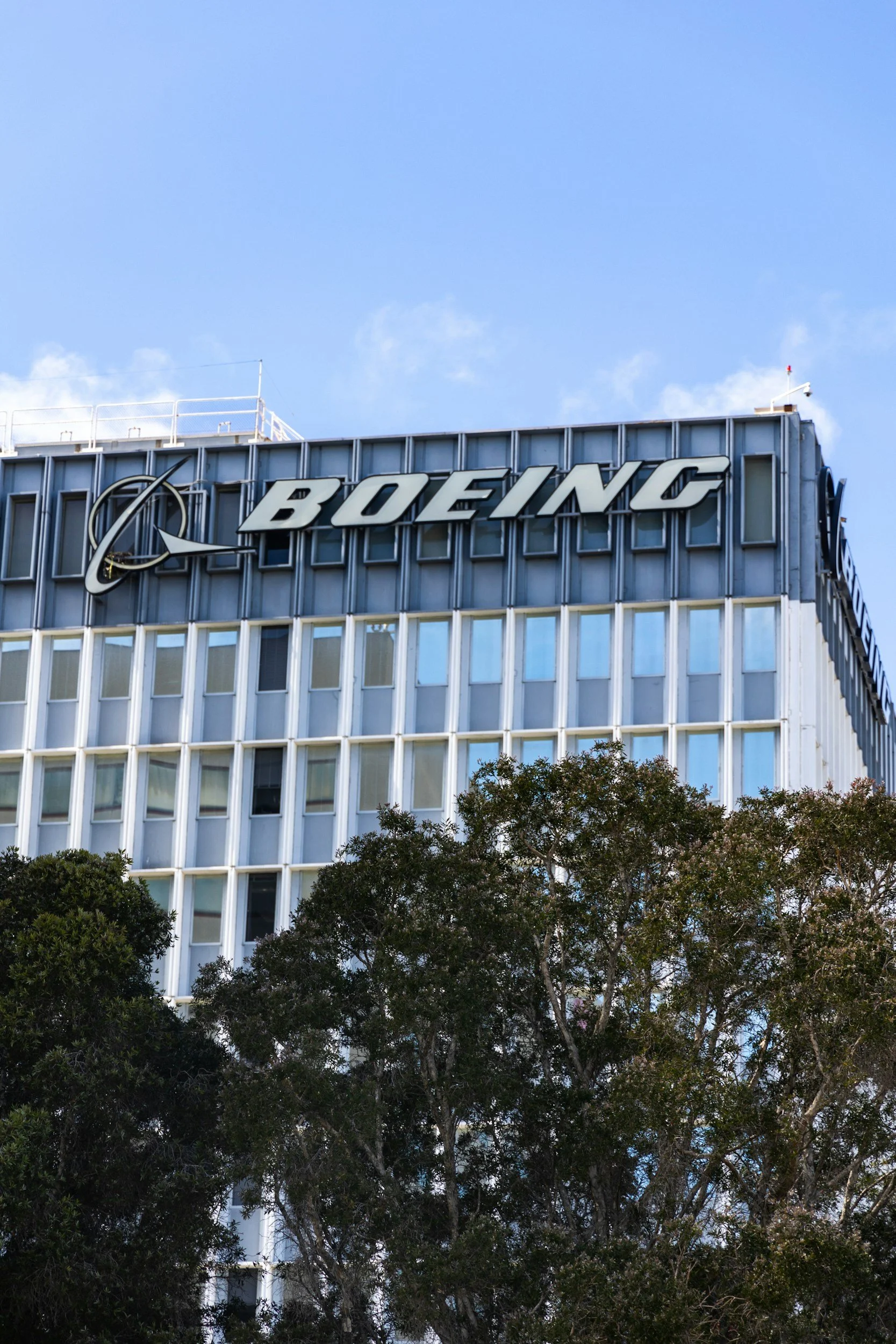
Boeing is facing renewed delivery delays across key commercial aircraft programmes, as ongoing supply chain constraints continue to disrupt production schedules heading into the second quarter of 2026.
The latest setbacks underscore the fragility of the global aerospace supply network, with manufacturers still contending with component shortages, labour constraints, and quality control challenges that have persisted since the post-pandemic recovery phase.
Production Challenges Continue
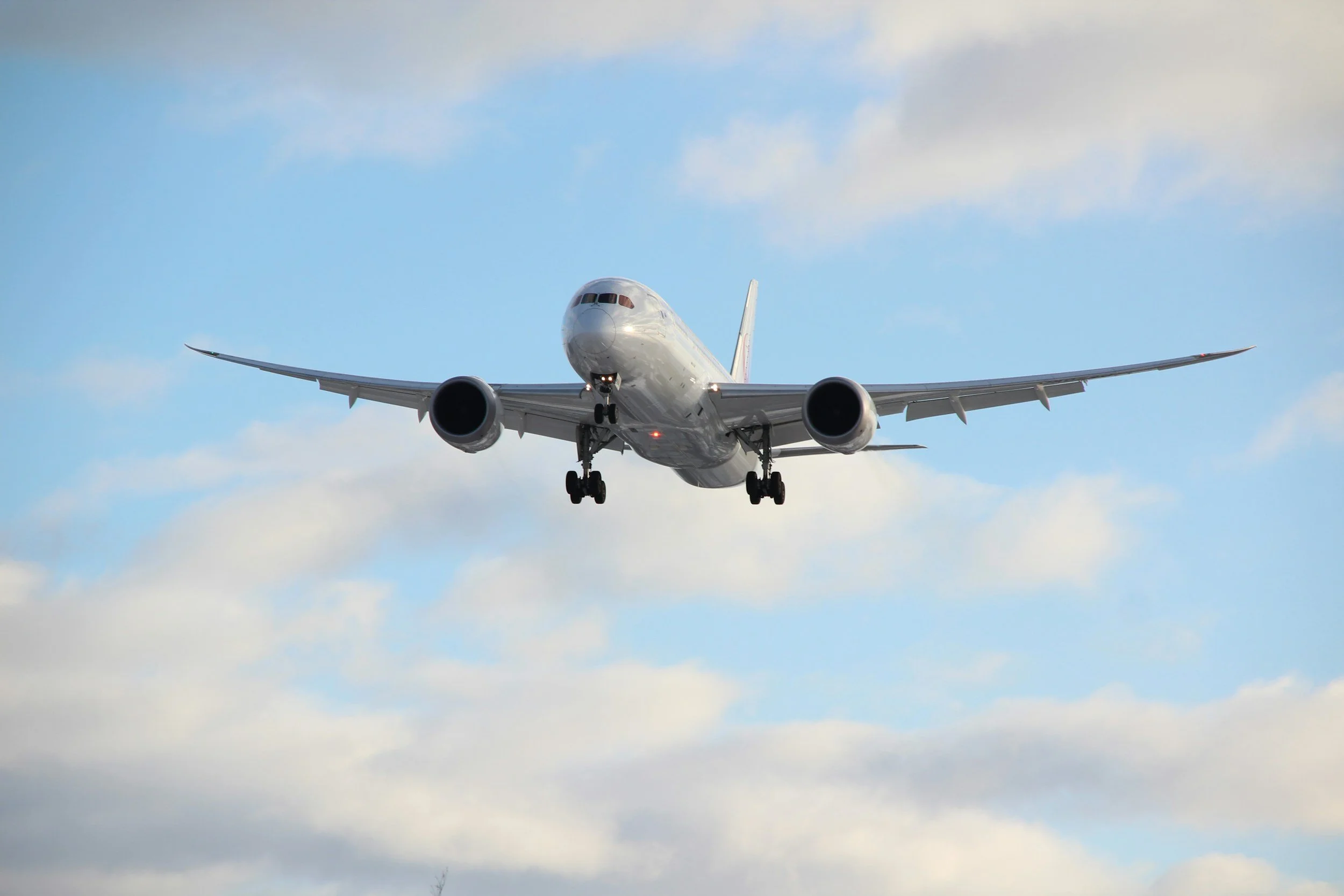
According to industry sources, delays are affecting multiple programmes, including narrowbody and widebody aircraft, with particular pressure on high-demand models such as the 737 and 787 families. While production rates had been expected to stabilise this year, continued disruptions among tier-one and tier-two suppliers have slowed progress.
For Boeing, maintaining consistent output has proven challenging, as bottlenecks in critical components, from avionics systems to structural assemblies, impact final assembly timelines.
Impact on Airline Operations
The delays are already having a knock-on effect on airline fleet planning. Carriers awaiting aircraft deliveries are being forced to revise capacity forecasts, extend leases on older aircraft, or adjust route expansion plans.
For airlines operating in a high-demand environment, the inability to take delivery of new, more fuel-efficient aircraft presents both operational and financial challenges. Increased reliance on older fleets can lead to higher maintenance costs and reduced efficiency, further compounding pressures linked to fuel price volatility.
Industry-Wide Supply Chain Strain
The issues facing Boeing are reflective of broader industry challenges. Aerospace supply chains remain under strain, with suppliers struggling to scale production in line with rising demand.
Factors contributing to the disruption include workforce shortages, limited manufacturing capacity, and the complexity of ramping up production for highly specialised components. These challenges have been exacerbated by the global nature of the supply chain, where delays in one region can quickly cascade across the entire production system.
Competitive Landscape
The delays also carry implications for competition within the aircraft manufacturing sector. While Airbus continues to face its own supply chain constraints, any sustained disruption at Boeing could influence airline purchasing decisions and shift market dynamics in favour of alternative suppliers.
At the same time, both manufacturers are under pressure to meet ambitious production targets, as airlines push for accelerated fleet renewal to improve efficiency and meet environmental objectives.
Outlook
Looking ahead, the timeline for resolving supply chain issues remains uncertain. Boeing has indicated ongoing efforts to work closely with suppliers to stabilise production and improve delivery reliability, but industry analysts caution that challenges may persist in the near term.
As demand for new aircraft continues to grow, the ability of manufacturers to restore consistency across their supply chains will be critical in shaping the pace of global fleet modernisation.
For now, airlines and lessors alike are expected to remain cautious, building greater flexibility into their planning as the sector continues to navigate a prolonged period of operational and industrial uncertainty.
Other Stories