Finnair Selects Embraer E2 Jets in Strategic Shift Away from Airbus Narrowbody Expansion
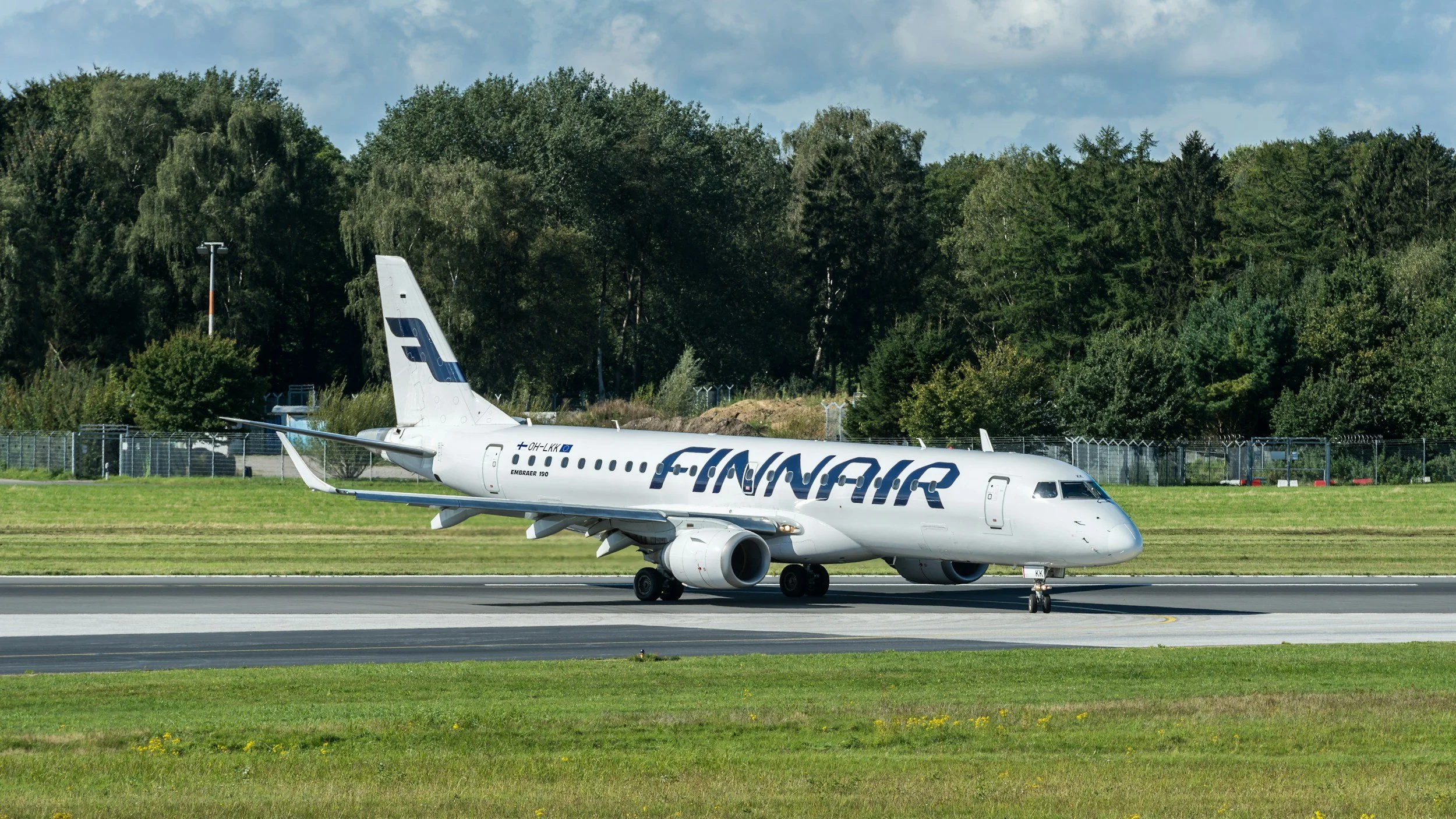
In a notable development within the European aviation sector, Finnair has confirmed its decision to proceed with the acquisition of Embraer’s next-generation E2 regional jets, marking a significant departure from expectations that the airline would expand its narrowbody fleet with Airbus aircraft.
The move represents a calculated strategic shift, reflecting changing market dynamics, evolving route structures, and increasing pressure on airlines to optimise both capacity and cost efficiency across short- and medium-haul operations.
A Strategic Fleet Decision
The selection of the Embraer E2 family, widely regarded as one of the most fuel-efficient regional aircraft currently in operation—signals Finnair’s intent to refine its network with greater flexibility. The aircraft, designed to serve thinner routes with lower operating costs, offers an ideal platform for airlines seeking to balance frequency with demand in an increasingly competitive European market.
This decision comes at a time when traditional narrowbody aircraft, such as those produced by Airbus, have dominated fleet renewal strategies across the continent. By opting for Embraer’s smaller-capacity solution, Finnair is effectively prioritising route optimisation over sheer seat volume.
Market Implications for Airbus and Embraer
For Embraer, the agreement represents a significant commercial victory in a market segment where competition with larger manufacturers remains intense. The E2 programme has steadily gained traction among airlines seeking modern, right-sized aircraft capable of delivering improved economics on regional and secondary routes.
Conversely, the decision may be viewed as a setback for Airbus, particularly as it continues to promote its A220 and A320neo families as comprehensive solutions for short-haul operations. While Airbus retains a dominant position in the narrowbody market, Finnair’s move highlights a growing willingness among carriers to diversify fleet composition beyond traditional single-aisle aircraft.
Network and Operational Considerations
From an operational perspective, the introduction of the E2 jets is expected to enhance Finnair’s ability to serve lower-demand routes more efficiently, while maintaining frequency and connectivity through its Helsinki hub. This is particularly relevant in the current environment, where fluctuating demand patterns and economic pressures continue to shape airline network planning.
The aircraft’s advanced aerodynamics, reduced fuel burn, and lower emissions profile also align with broader industry efforts to improve sustainability metrics, an increasingly important factor in fleet decision-making.
Wider Industry Context
The decision reflects a broader trend within the aviation industry, where airlines are moving towards more nuanced fleet strategies rather than relying solely on larger narrowbody aircraft. As cost pressures mount and regional connectivity becomes more critical, the role of modern regional jets is being re-evaluated.
For European carriers in particular, the ability to profitably serve secondary cities and maintain network resilience is becoming a defining factor in long-term competitiveness.
Outlook
While the full scale and timeline of the acquisition remain subject to final agreements, the implications are already clear. Finnair’s decision underscores a shift towards operational precision and adaptability, priorities that are likely to shape fleet planning strategies across the industry in the years ahead.
As manufacturers continue to compete across overlapping segments, this development reinforces the importance of offering tailored solutions that meet the evolving needs of modern airline operations.
Other Stories