Lufthansa Group Expands Long-Haul Capacity Despite Ongoing Airspace Disruptions
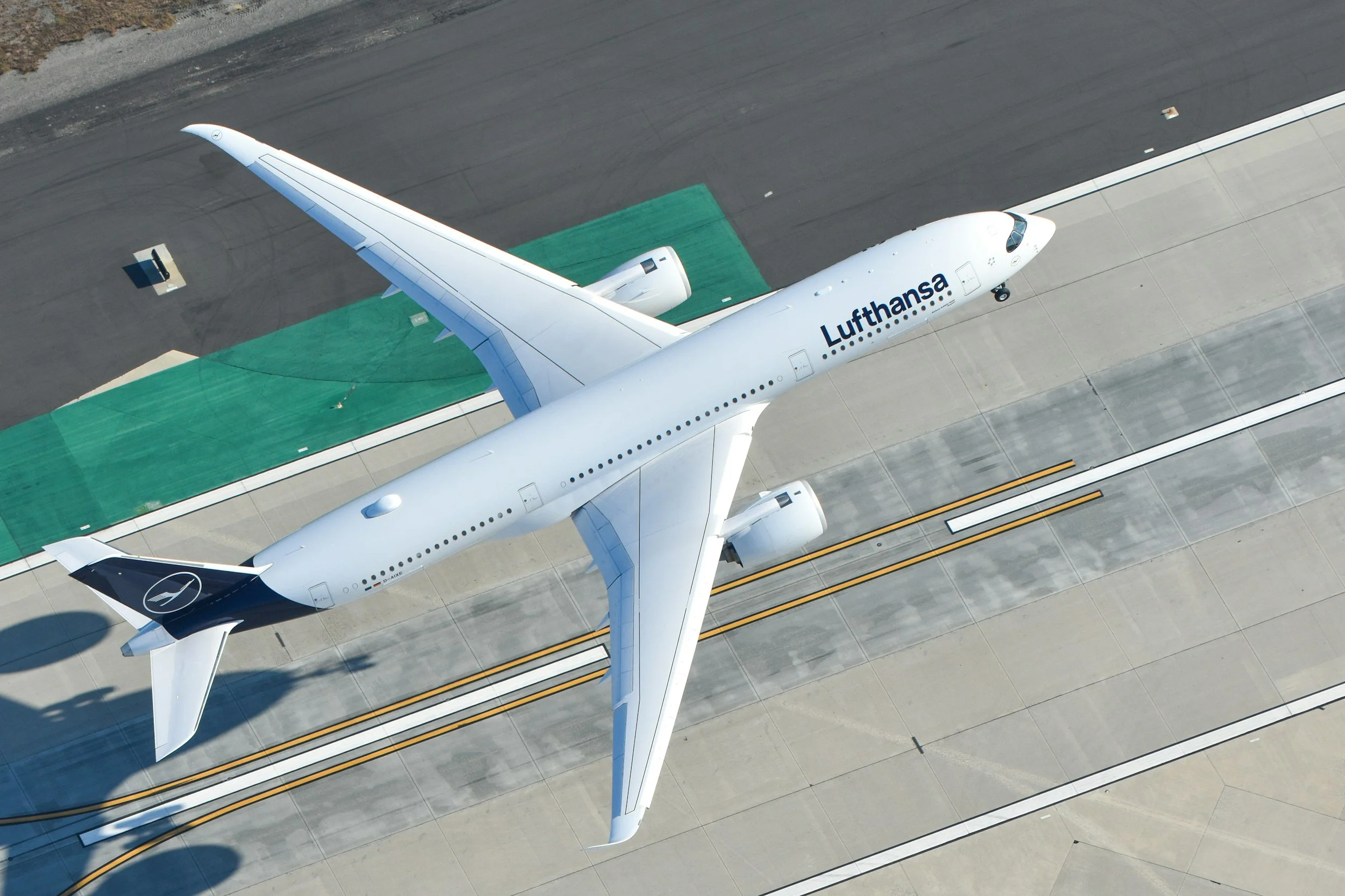
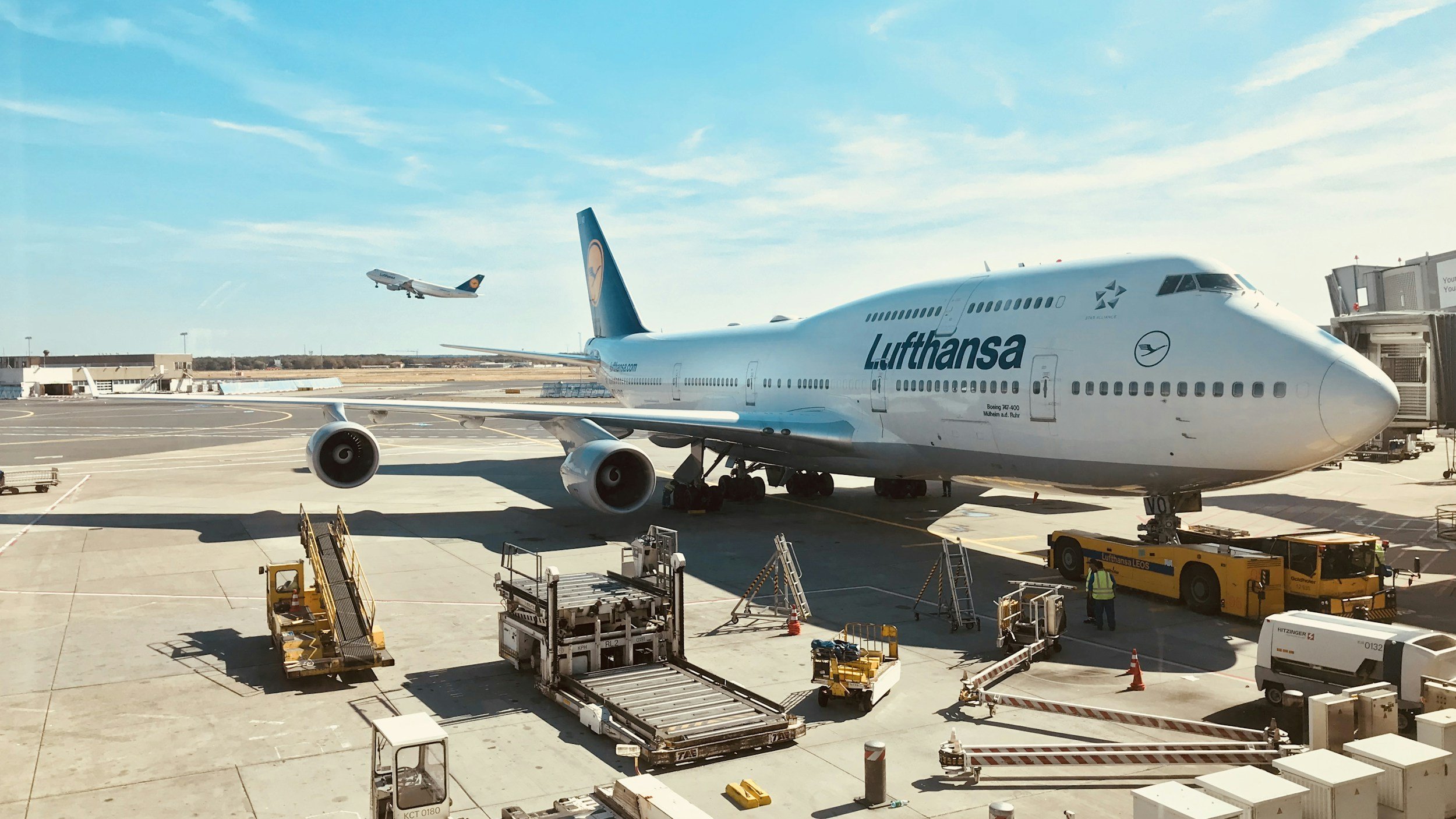
The Lufthansa Group has announced plans to expand its long-haul capacity in response to sustained passenger demand, even as ongoing geopolitical tensions and airspace restrictions continue to challenge global airline operations.
The move reflects a broader industry trend in which major carriers are prioritising network growth and revenue recovery, despite an increasingly complex operating environment shaped by conflict-driven rerouting, rising fuel costs, and constrained airspace availability.
Demand Recovery Drives Expansion
According to industry sources, the Lufthansa Group is increasing frequencies across key intercontinental routes, particularly between Europe, North America, and parts of Asia. The decision is underpinned by strong forward bookings and resilient premium cabin demand, which continues to support long-haul profitability.
This expansion comes at a time when global travel demand has stabilised at high levels, with both business and leisure segments contributing to sustained load factors. For network carriers, long-haul operations remain a critical driver of revenue, particularly as short-haul markets face increasing competition and operational constraints.
Navigating Airspace Constraints
However, the expansion is taking place against a backdrop of ongoing disruption across key international corridors. Airspace closures and restrictions, particularly across parts of the Middle East and Eastern Europe, are forcing airlines to adopt longer, less efficient routings.
For the Lufthansa Group, this has translated into increased flight times, higher fuel burn, and more complex scheduling requirements. These operational challenges are placing additional pressure on fleet utilisation and crew planning, as airlines work to maintain schedule integrity while managing rising costs.
Balancing Growth with Operational Risk
Despite these headwinds, the group’s decision to expand capacity highlights a calculated approach to balancing growth with operational risk. By focusing on high-demand routes and optimising aircraft deployment, the airline aims to maximise revenue opportunities while mitigating the impact of external disruptions.
The strategy also reflects confidence in the long-term resilience of international air travel, even as short-term volatility persists. Airlines across Europe are increasingly adopting similar approaches, prioritising flexibility and dynamic network management in response to rapidly changing conditions.
Industry-Wide Implications
The actions of the Lufthansa Group are indicative of a wider shift within the aviation sector, where airlines are learning to operate in an environment defined by uncertainty. Rather than scaling back, many carriers are choosing to adapt, leveraging data-driven planning and operational agility to sustain growth.
At the same time, the continued expansion of long-haul capacity raises questions about the sustainability of current operating models, particularly if fuel prices remain elevated and airspace disruptions persist.
Outlook
Looking ahead, the trajectory of long-haul operations will depend heavily on geopolitical developments and the stability of global fuel markets. For now, however, the Lufthansa Group appears committed to maintaining momentum, reinforcing its position within the competitive international market.
As airlines navigate this evolving landscape, the ability to balance demand-driven growth with operational resilience will remain a defining factor in determining long-term success.
Other Stories